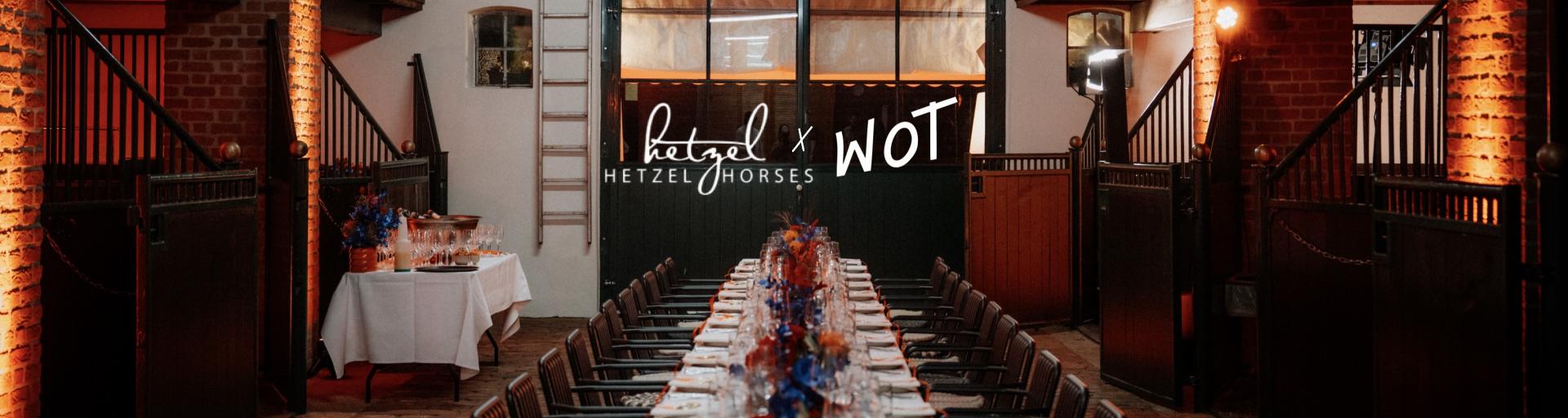
A special evening at Hetzel Horses: Welcoming WoMen on Top to Goch
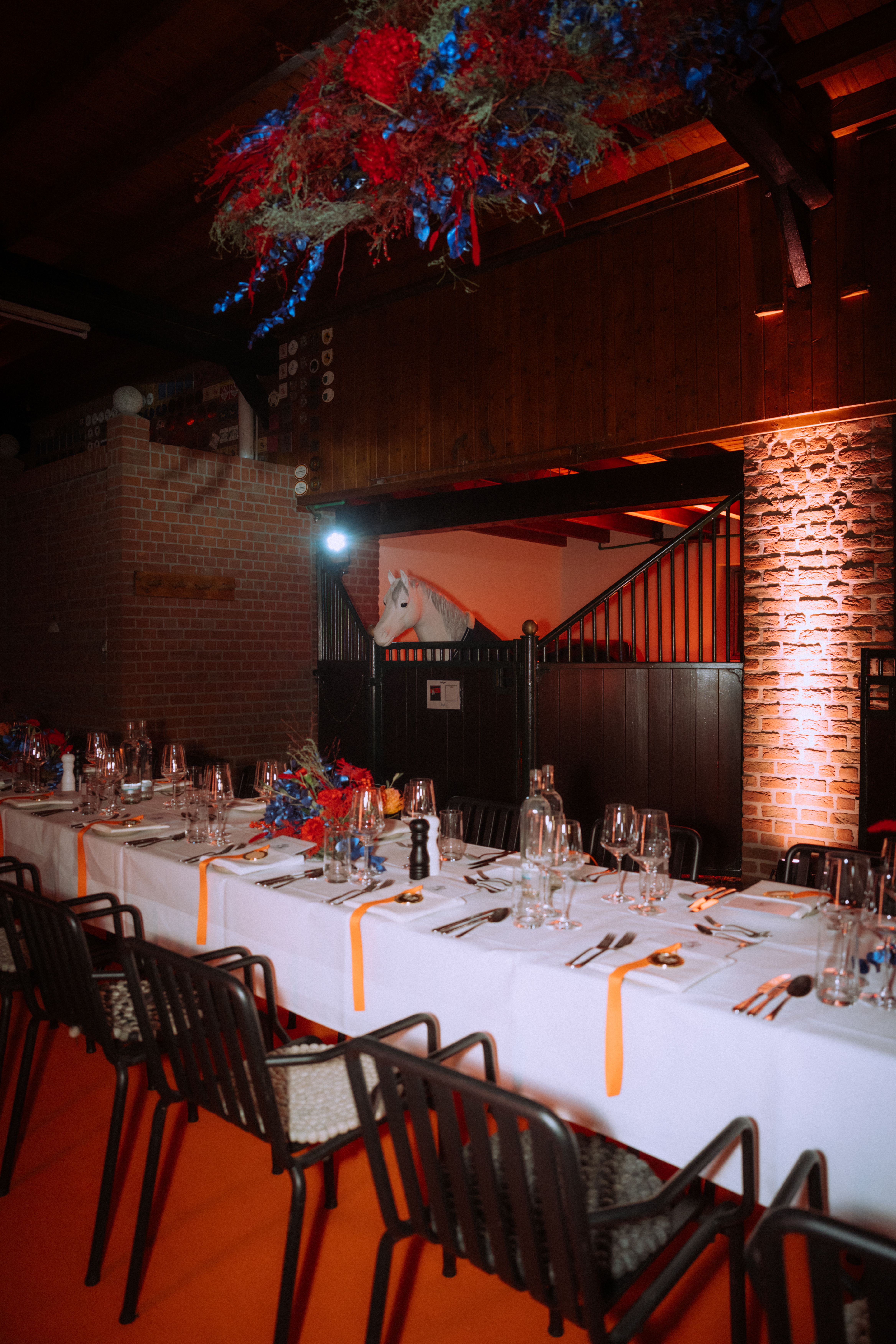
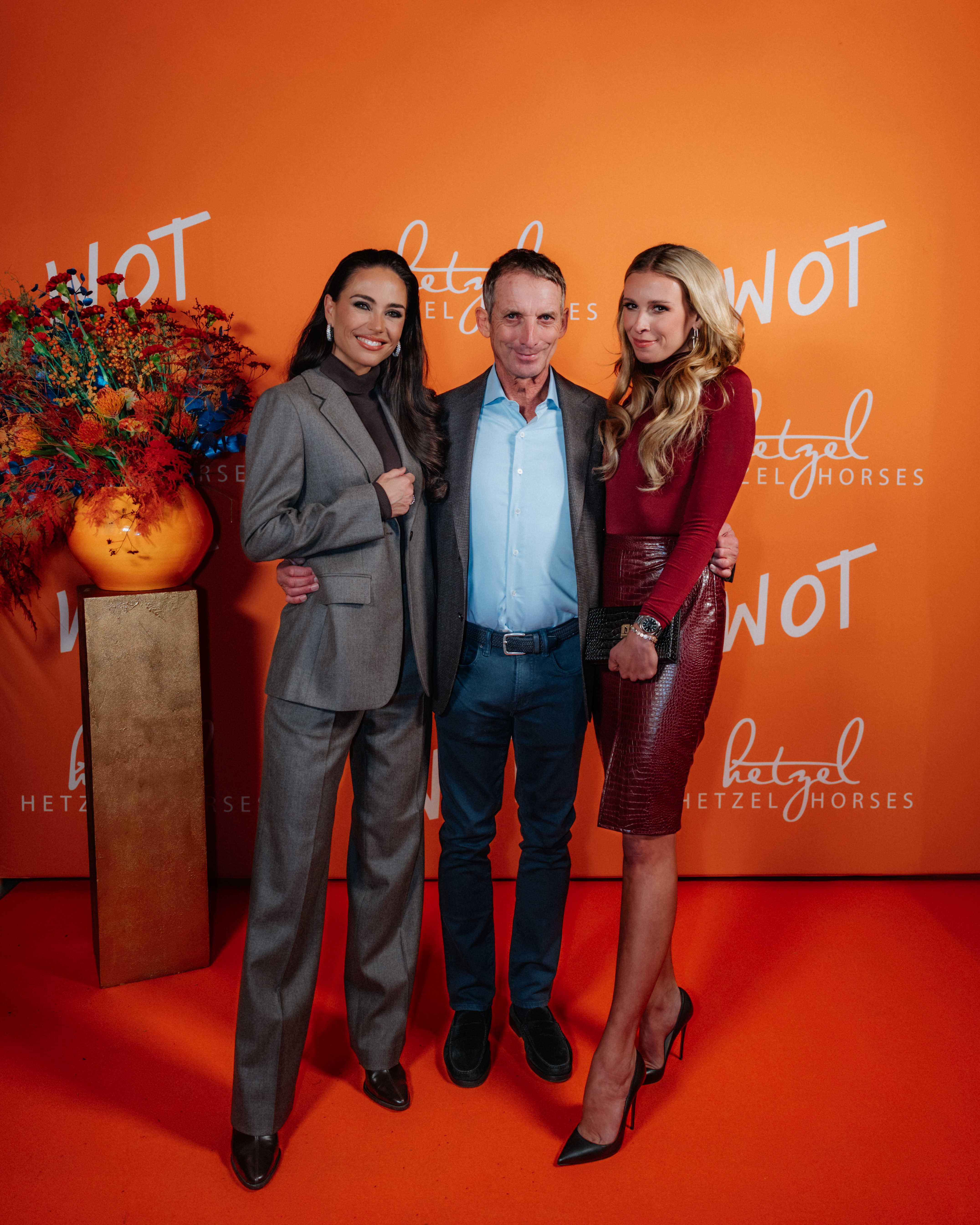
Behind every sport horse lie years of breeding, training and care. Investing in a horse therefore means not only taking a financial risk but also assuming responsibility for a living being. How can commercial interests be reconciled with respect for the horse? This question was discussed by guests from the worlds of business, media and equestrian sport at the WOT Table, jointly hosted by WoMen on Top and Hetzel Horses. The highlight of the evening was a live talk entitled “The Horse as an Asset”, hosted by Franca Lehfeldt, featuring showjumper and entrepreneur Holger Hetzel and Birgit Rosenberg, member of the Executive Board of the Aachen-Laurensberger Rennverein (ALRV) and co-organiser of the 2026 FEI World Championships in Aachen.
From Foal to Million-Euro Horse
As both a successful showjumper and entrepreneur, Holger Hetzel understands both sides of the market. In 1986, he founded Hetzel Horses GmbH, which has since developed into an internationally renowned equestrian centre in Goch, in Germany’s Lower Rhine region. The business model focuses on the very foundations of a sport horse’s value: the selection of promising young horses, their training and their marketing. Holger Hetzel: “Recognising a good horse requires experience and a trained eye. Often, after just a few jumps, I can assess whether a horse has the potential I am looking for.” The discussion explored how a horse’s value can be determined and how realistic increases in value are. Lehfeldt also addressed the risks that distinguish this type of investment from traditional asset classes: injuries, ongoing costs for care, training and competitions, as well as a market heavily influenced by personal relationships and trust. Hetzel: “When investing, I always have the exit strategy in mind. When I buy a horse, I need to know how I want it to develop and who my eventual customer will be. The decisive factor for success lies in the initial purchase.”
The Horse as an Economic Factor
Birgit Rosenberg highlighted the overall scale of the industry: “The equestrian industry is a significant economic factor in Germany. With more than 10,000 businesses and service providers, over one million horses and around 2.5 million active riders, it generates approximately €6.7 billion annually.” However, the social importance of horses must not be overlooked: “Elite sport can only thrive if it has strong foundations. We must therefore strengthen grassroots equestrian sport and continue to provide children and young people with access to horses.”
The World Championship Year in Aachen
With Rosenberg on the panel, the discussion featured one of the organisers of Germany’s biggest sporting event of the year. From 11 to 23 August 2026, Aachen hosted the FEI World Championships in six disciplines: jumping, dressage, para dressage, vaulting, driving and eventing. Around 500,000 spectators visited the iconic Aachen Soers, with para equestrian sport forming an integral part of the World Championships for the first time. The World Championships also demonstrated that equestrian sport remains one of the fields in which Germany continues to lead internationally. With 20 medals, Germany topped the medal table, including team gold in jumping and dressage and individual gold for Michael Jung in eventing. Germany is also among the world leaders in horse breeding: in 2025, the Holsteiner Studbook topped the World Breeding Federation for Sport Horses (WBFSH) rankings in eventing and ranked second in jumping. “Equestrian sport in Germany stands for performance, discipline and a passion for horses. People like Holger Hetzel demonstrate tremendous commitment: they strengthen German sport internationally, stimulate the economy and, through their dedication, introduce children and young people to horses. Equestrian sport is a beacon in our society today,” said Franca Lehfeldt.